
Unlocking Efficiency with AI Marketing Automation for Businesses
Understanding AI Marketing Automation: A Modern Business Asset
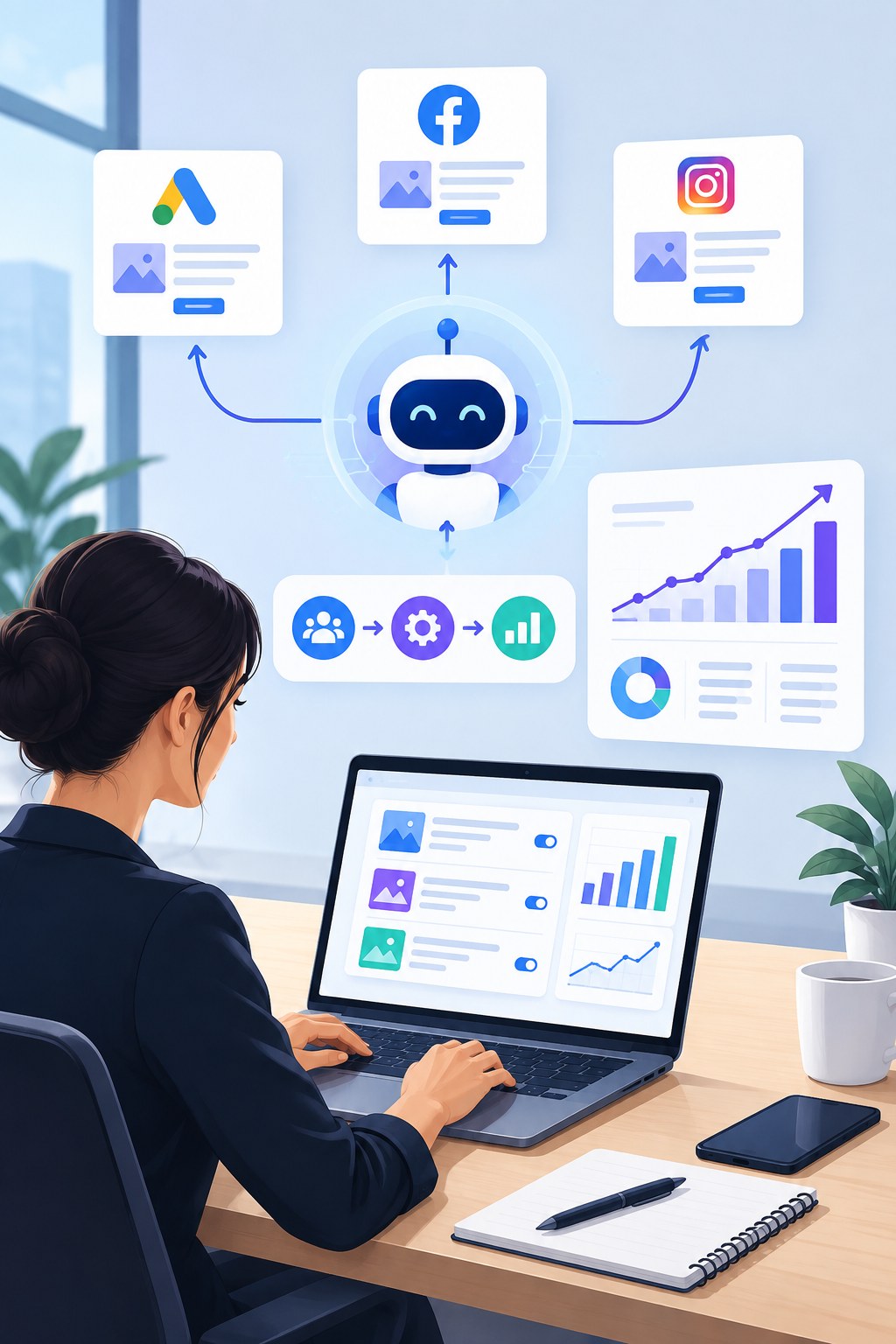
In today’s fast-paced digital landscape, businesses seek ways to optimize marketing efforts without overwhelming manual processes. AI marketing automation refers to the use of artificial intelligence technologies to manage and execute marketing tasks automatically. This includes tasks like running Facebook and Meta ads, generating leads, SEO optimization, and follow-up messaging.
Unlike traditional marketing automation tools that rely heavily on rule-based workflows, AI marketing automation integrates machine learning and natural language processing to adapt and optimize campaigns dynamically. This adaptability allows small and medium-sized enterprises to scale marketing initiatives efficiently while focusing on core business activities.
Practical Applications in Business Marketing Workflows
A typical AI marketing automation platform consolidates various functions into a unified workspace. For example, it may combine AI-powered SEO audits and content creation to improve organic reach, alongside AI-driven ad planning for platforms like Facebook and Meta. This integration streamlines campaign management from planning to execution.
Lead generation benefits significantly from AI tools, which can automatically collect, qualify, and nurture prospects using data-driven insights. AI lead generation tools analyze behavioral signals and engagement patterns to score leads and determine optimal follow-up strategies. In social media marketing, automation software can schedule posts, respond to messages, and trigger timely follow-ups, reducing manual workload and enhancing responsiveness.
AI-powered SEO optimization tools analyze website content and competitive landscapes to suggest targeted keywords, improve content relevance, and enhance search rankings. When combined with marketing automation software, businesses can ensure continuous improvement in visibility with minimal manual intervention.
Key Considerations and Limitations
While AI marketing automation offers powerful capabilities, businesses should understand its boundaries. Automation works best when integrated with thoughtful human oversight. For instance, while AI can generate ad creatives and manage bids, strategic decisions regarding messaging tone, audience segmentation, and budget allocation still require human input.
Moreover, AI systems depend on quality data inputs and clear objectives. Poorly defined goals or inaccurate data can lead to suboptimal results or wasted ad spend. Businesses should also be mindful of privacy regulations when automating data collection and follow-ups, ensuring compliance with laws and transparency with customers.
Lastly, adopting AI marketing automation tools often involves a learning curve and integration with existing software infrastructure. Proper onboarding and continuous monitoring are essential to maximize benefits.
Conclusion
AI marketing automation represents a significant advancement for businesses aiming to grow efficiently through digital channels. By automating repetitive tasks in ad management, lead generation, and SEO, it frees teams to focus on strategic growth and customer engagement. However, success depends on combining AI capabilities with human expertise and careful planning to navigate the technology’s current limitations.
For businesses exploring a streamlined approach to online marketing, AI marketing automation provides a compelling solution that evolves with their needs.